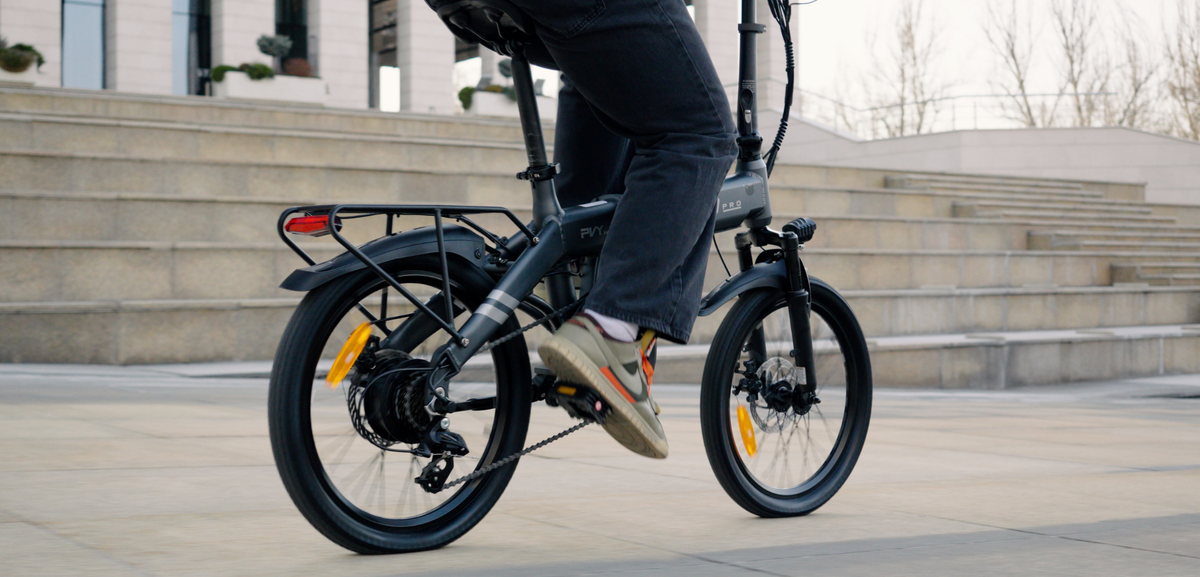
Wenn sich die hydraulischen Scheibenbremsen Ihres Fahrrads schwammig anfühlen, an Bremskraft verlieren oder beim Betätigen ein „quitschendes“ Geräusch machen, sind wahrscheinlich Luftblasen in den Bremsleitungen die Ursache. Luft ist komprimierbar (im Gegensatz zur Bremsflüssigkeit), was die Reaktionsfähigkeit und Sicherheit Ihrer Bremsen beeinträchtigt – entscheidend für Trailfahrten, Pendelstrecken oder Langstreckenfahrten. Das manuelle Entlüften – nur mit einfachen Werkzeugen und Druck – ist der zugänglichste Weg, um Luft aus dem hydraulischen System Ihres Fahrrads zu entfernen. In dieser Anleitung führe ich Sie Schritt für Schritt durch den fahrradspezifischen Prozess, damit Sie an einem Nachmittag wieder präzise und zuverlässige Bremsleistung herstellen können.
{"height":8,"color":{"hue":213,"brightness":0.83,"saturation":1,"alpha":0},"hidden":false,"locked":false,"blockName":"Spacer"}
{"height":8,"color":{"hue":213,"brightness":0.83,"saturation":1,"alpha":0},"hidden":false,"locked":false,"blockName":"Spacer copy"}
Bevor Sie beginnen, sammeln Sie diese wichtigen Dinge, um Ärger mitten im Projekt zu vermeiden:
{"height":8,"color":{"hue":213,"brightness":0.83,"saturation":1,"alpha":0},"hidden":false,"locked":false,"blockName":"Spacer copy copy"}
* Bremsflüssigkeit: Verwenden Sie den vom Hersteller empfohlenen Typ (DOT 3/4/5.1 für die meisten Fahrradbremsen; DOT 5 ist silikonbasiert und nicht kompatibel mit den meisten Fahrradsystemen – prüfen Sie das Handbuch Ihres Fahrrads oder die Markierungen am Bremssattel!). Mischen Sie niemals verschiedene Flüssigkeitstypen.
{"height":8,"color":{"hue":213,"brightness":0.83,"saturation":1,"alpha":0},"hidden":false,"locked":false,"blockName":"Spacer copy copy copy"}
* Entlüftungskit: Ein einfaches, fahrradspezifisches Kit enthält einen klaren Kunststoffschlauch (passend für Fahrrad-Entlüftungsnippel), einen kleinen Entlüftungsschlüssel (meist 8 mm oder 10 mm – passend zum Bremssattel) und eine Auffangflasche. Sie können es auch selbst machen mit einem Schlauch, der fest über den Entlüftungsnippel passt, und einer sauberen Wasserflasche.
{"height":8,"color":{"hue":213,"brightness":0.83,"saturation":1,"alpha":0},"hidden":false,"locked":false,"blockName":"Spacer copy copy copy copy"}
* Trichter oder Spritze: Optional, aber hilfreich, um den Hauptzylinder (am Lenker) nachzufüllen, ohne zu verschütten.
{"height":8,"color":{"hue":213,"brightness":0.83,"saturation":1,"alpha":0},"hidden":false,"locked":false,"blockName":"Spacer copy copy copy copy copy"}
* Saubere Lappen/Papierhandtücher: Bremsflüssigkeit ist korrosiv – wischen Sie Verschüttetes sofort auf, um den Lack, den Rahmen Ihres Fahrrads und Ihre Haut zu schützen.
{"height":8,"color":{"hue":213,"brightness":0.83,"saturation":1,"alpha":0},"hidden":false,"locked":false,"blockName":"Spacer copy copy copy copy copy copy"}
Handschuhe & Schutzbrille: Schützen Sie Ihre Hände und Augen vor Flüssigkeitsspritzern (auch kleine Mengen können die Haut reizen).
{"height":8,"color":{"hue":213,"brightness":0.83,"saturation":1,"alpha":0},"hidden":false,"locked":false,"blockName":"Spacer copy copy copy copy copy copy copy"}
* Helfer (empfohlen): Manuelles Entlüften ist einfacher mit jemandem, der den Bremshebel drückt, aber Sie können es auch alleine mit einem Gummiband machen (dazu später mehr).
{"height":8,"color":{"hue":213,"brightness":0.83,"saturation":1,"alpha":0},"hidden":false,"locked":false,"blockName":"Spacer copy copy copy copy copy copy copy copy"}
* Drehmomentschlüssel: Zum Nachziehen des Entlüftungsnippels nach Vorgabe (optional, aber sicher – verhindert beschädigte Gewinde an empfindlichen Fahrradkomponenten).
{"height":8,"color":{"hue":213,"brightness":0.83,"saturation":1,"alpha":0},"hidden":false,"locked":false,"blockName":"Spacer copy copy copy copy copy copy copy copy copy"}
* Fahrradständer: Optional, aber sehr zu empfehlen – hält Ihr Fahrrad stabil und den Hauptzylinder während der Entlüftung waagerecht.
{"height":8,"color":{"hue":213,"brightness":0.83,"saturation":1,"alpha":0},"hidden":false,"locked":false,"blockName":"Spacer copy copy copy copy copy copy copy copy copy copy"}
{"height":8,"color":{"hue":213,"brightness":0.83,"saturation":1,"alpha":0},"hidden":false,"locked":false,"blockName":"Spacer copy copy copy copy copy copy copy copy copy copy copy"}
Vorbereitende Schritte (entscheidend für den Erfolg bei fahrradspezifischen Arbeiten!)
{"height":8,"color":{"hue":213,"brightness":0.83,"saturation":1,"alpha":0},"hidden":false,"locked":false,"blockName":"Spacer copy copy copy copy copy copy copy copy copy copy copy"}
Eilige Vorbereitung führt dazu, dass Luft eingeschlossen wird oder Flüssigkeit austritt – überspringen Sie diese Schritte nicht:
{"height":8,"color":{"hue":213,"brightness":0.83,"saturation":1,"alpha":0},"hidden":false,"locked":false,"blockName":"Spacer copy copy copy copy copy copy copy copy copy copy copy copy"}
1.Sichern Sie Ihr Fahrrad: Verwenden Sie einen Fahrradständer, um Ihr Fahrrad aufrecht zu halten, oder drehen Sie es um (wenn es einen stabilen Rahmen und keine empfindlichen Komponenten wie eine Sattelstütze hat). Das Ziel ist, den Hauptzylinder (am Lenker) waagerecht oder leicht höher als den Bremssattel zu halten – so kann Luft nach oben im System steigen.
{"height":8,"color":{"hue":213,"brightness":0.83,"saturation":1,"alpha":0},"hidden":false,"locked":false,"blockName":"Spacer copy copy copy copy copy copy copy copy copy copy copy copy copy"}
2.Reinigen Sie das System: Wischen Sie Schmutz, Dreck und Bremsstaub vom Deckel des Hauptzylinderbehälters (am Bremshebel) und vom Entlüftungsnippel (am Bremssattel) ab. Schmutz kann die Flüssigkeit verunreinigen, wenn er in den Behälter oder die Bremsleitungen gelangt.
{"height":8,"color":{"hue":213,"brightness":0.83,"saturation":1,"alpha":0},"hidden":false,"locked":false,"blockName":"Spacer copy copy copy copy copy copy copy copy copy copy copy copy copy copy"}
3.Überprüfen Sie den Flüssigkeitsstand: Entfernen Sie die Abdeckung des Hauptzylinders (Hinweis: Die meisten Fahrrad-Bremshebel haben unter der Abdeckung eine Gummimembran – lassen Sie diese an Ort und Stelle, wenn sie Teil der Dichtung ist). Füllen Sie die Flüssigkeit bis zur „MAX“-Markierung (oder knapp unter die Membran) mit frischer Bremsflüssigkeit auf. Ein niedriger Flüssigkeitsstand kann neue Luft ins System einbringen.
{"height":8,"color":{"hue":213,"brightness":0.83,"saturation":1,"alpha":0},"hidden":false,"locked":false,"blockName":"Spacer copy copy copy copy copy copy copy copy copy copy copy copy copy copy copy"}
4.Positionieren Sie das Entlüftungsventil: Bei Fahrrad-Bremssätteln befindet sich das Entlüftungsventil meist an der Seite oder oben am Bremssattelgehäuse. Drehen Sie den Bremssattel (lockern Sie bei Bedarf die Befestigungsschrauben leicht), sodass das Ventil die höchstmögliche Position relativ zur Bremsleitung einnimmt. So können Luftblasen leicht entweichen – ist das Ventil unten, bleibt Luft eingeschlossen.
{"height":8,"color":{"hue":213,"brightness":0.83,"saturation":1,"alpha":0},"hidden":false,"locked":false,"blockName":"Spacer copy copy copy copy copy copy copy copy copy copy copy copy copy copy copy"}
Schritt-für-Schritt-Anleitung zum manuellen Entlüften (fahrradspezifisch)
{"height":8,"color":{"hue":213,"brightness":0.83,"saturation":1,"alpha":0},"hidden":false,"locked":false,"blockName":"Spacer copy copy copy copy copy copy copy copy copy copy copy copy copy copy copy copy"}
Manuelles Entlüften bei Fahrrädern beruht auf dem Druck des Bremshebels, der Flüssigkeit (und Luft) durch das Entlüftungsventil herausdrückt. So geht’s sicher:
{"height":8,"color":{"hue":213,"brightness":0.83,"saturation":1,"alpha":0},"hidden":false,"locked":false,"blockName":"Spacer copy copy copy copy copy copy copy copy copy copy copy copy copy copy copy copy copy"}
Schritt 1: Befestigen Sie den Entlüftungsschlauch
{"height":8,"color":{"hue":213,"brightness":0.83,"saturation":1,"alpha":0},"hidden":false,"locked":false,"blockName":"Spacer copy copy copy copy copy copy copy copy copy copy copy copy copy copy copy copy copy copy copy"}
Schieben Sie ein Ende des klaren Kunststoffschlauchs über das Entlüftungsventil des Bremssattels. Befestigen Sie es fest – lockere Verbindungen lassen Luft ins System zurücksaugen. Platzieren Sie das andere Ende des Schlauchs in die Auffangflasche und tauchen Sie die Spitze in eine kleine Menge Bremsflüssigkeit (dies erzeugt eine „Dichtung“, um zu verhindern, dass Luft wieder in die Leitungen gelangt).
{"height":8,"color":{"hue":213,"brightness":0.83,"saturation":1,"alpha":0},"hidden":false,"locked":false,"blockName":"Spacer copy copy copy copy copy copy copy copy copy copy copy copy copy copy copy copy copy copy copy copy"}
Schritt 2: Entlüftungsventil öffnen
{"height":8,"color":{"hue":213,"brightness":0.83,"saturation":1,"alpha":0},"hidden":false,"locked":false,"blockName":"Abstandshalter copy copy copy copy copy copy copy copy copy copy copy copy copy copy copy copy copy copy copy copy copy"}
Verwenden Sie den kleinen Entlüftungsschlüssel, um das Ventil ¼ bis ½ Umdrehung zu öffnen – schrauben Sie es nicht komplett heraus (Sie verlieren Flüssigkeit und Druck und riskieren eine Beschädigung des Bremssattels). Eine kleine Menge Flüssigkeit kann in den Schlauch tropfen – das ist normal.
{"height":8,"color":{"hue":213,"brightness":0.83,"saturation":1,"alpha":0},"hidden":false,"locked":false,"blockName":"Abstandshalter copy copy copy copy copy copy copy copy copy copy copy copy copy copy copy copy copy copy copy copy copy copy"}
Schritt 3: Bremshebel drücken
{"height":8,"color":{"hue":213,"brightness":0.83,"saturation":1,"alpha":0},"hidden":false,"locked":false,"blockName":"Abstandshalter copy copy copy copy copy copy copy copy copy copy copy copy copy copy copy copy copy copy copy copy copy copy copy"}
* Mit Helfer: Lassen Sie ihn den Bremshebel langsam bis zum Lenker drücken. Halten Sie ihn dort – NICHT loslassen!
{"height":8,"color":{"hue":213,"brightness":0.83,"saturation":1,"alpha":0},"hidden":false,"locked":false,"blockName":"Abstandshalter copy copy copy copy copy copy copy copy copy copy copy copy copy copy copy copy copy copy copy copy copy copy copy copy"}
* Allein-Methode: Wickeln Sie ein Gummiband um den Bremshebel und den Lenker, um den Hebel gedrückt zu halten. Ziel ist es, einen gleichmäßigen Druck im System aufrechtzuerhalten.
{"height":8,"color":{"hue":213,"brightness":0.83,"saturation":1,"alpha":0},"hidden":false,"locked":false,"blockName":"Abstandshalter copy copy copy copy copy copy copy copy copy copy copy copy copy copy copy copy copy copy copy copy copy copy copy copy copy"}
Schritt 4: Entlüftungsventil schließen
{"height":8,"color":{"hue":213,"brightness":0.83,"saturation":1,"alpha":0},"hidden":false,"locked":false,"blockName":"Abstandshalter copy copy copy copy copy copy copy copy copy copy copy copy copy copy copy copy copy copy copy copy copy copy copy copy copy copy"}
Während der Hebel gedrückt ist, ziehen Sie das Entlüftungsventil mit dem Schraubenschlüssel vollständig an (fest, aber nicht zu fest – Fahrrad-Bremssättel haben empfindliche Gewinde, die leicht beschädigt werden können).
{"height":8,"color":{"hue":213,"brightness":0.83,"saturation":1,"alpha":0},"hidden":false,"locked":false,"blockName":"Abstandshalter copy copy copy copy copy copy copy copy copy copy copy copy copy copy copy copy copy copy copy copy copy copy copy copy copy copy copy"}
Schritt 5: Hebel loslassen
{"height":8,"color":{"hue":213,"brightness":0.83,"saturation":1,"alpha":0},"hidden":false,"locked":false,"blockName":"Abstandshalter copy copy copy copy copy copy copy copy copy copy copy copy copy copy copy copy copy copy copy copy copy copy copy copy copy copy copy copy"}
Nachdem das Ventil geschlossen ist, lassen Sie Ihren Helfer (oder entfernen Sie das Gummiband) den Bremshebel langsam loslassen. Dadurch wird frische Flüssigkeit aus dem Hauptzylinder in die Bremsleitung gezogen und ersetzt die gerade entlüftete Flüssigkeit (und Luft).
{"height":8,"color":{"hue":213,"brightness":0.83,"saturation":1,"alpha":0},"hidden":false,"locked":false,"blockName":"Abstandshalter copy copy copy copy copy copy copy copy copy copy copy copy copy copy copy copy copy copy copy copy copy copy copy copy copy copy copy copy copy"}
Schritt 6: Wiederholen, bis keine Luftblasen mehr erscheinen
{"height":8,"color":{"hue":213,"brightness":0.83,"saturation":1,"alpha":0},"hidden":false,"locked":false,"blockName":"Abstandshalter copy copy copy copy copy copy copy copy copy copy copy copy copy copy copy copy copy copy copy copy copy copy copy copy copy copy copy copy copy copy"}
Überprüfen Sie die Auffangflasche: Anfangs sehen Sie Luftblasen im Schlauch – sie sehen aus wie kleine Bläschen oder Schaum. Wiederholen Sie die Schritte 2–5 3–5 Mal pro Bremssattel (oder bis die Flüssigkeit im Schlauch klar und blasenfrei ist).
{"height":8,"color":{"hue":213,"brightness":0.83,"saturation":1,"alpha":0},"hidden":false,"locked":false,"blockName":"Abstandshalter copy copy copy copy copy copy copy copy copy copy copy copy copy copy copy copy copy copy copy copy copy copy copy copy copy copy copy copy copy copy copy"}
* Alle 1–2 Zyklen füllen Sie die Flüssigkeit im Hauptzylinder bis zur „MAX“-Markierung nach – lassen Sie sie niemals unter die „MIN“-Markierung (oder den Boden der Membran) fallen! Wenn sie leer läuft, müssen Sie von vorne beginnen (Luft gelangt wieder ins System).
{"height":8,"color":{"hue":213,"brightness":0.83,"saturation":1,"alpha":0},"hidden":false,"locked":false,"blockName":"Abstandshalter copy copy copy copy copy copy copy copy copy copy copy copy copy copy copy copy copy copy copy copy copy copy copy copy copy copy copy copy copy copy copy copy"}
* Achten Sie auf die Farbe: Alte Bremsflüssigkeit ist dunkelbraun/schwarz; frische Flüssigkeit ist klar oder hellbernsteinfarben. Entlüften Sie so lange, bis die Flüssigkeit im Schlauch der frischen Flüssigkeit im Hauptzylinder entspricht.
{"height":8,"color":{"hue":213,"brightness":0.83,"saturation":1,"alpha":0},"hidden":false,"locked":false,"blockName":"Abstandshalter copy copy copy copy copy copy copy copy copy copy copy copy copy copy copy copy copy copy copy copy copy copy copy copy copy copy copy copy copy copy copy copy copy"}
Schritt 7: Entlüftungsventil mit vorgeschriebenem Drehmoment anziehen
{"height":8,"color":{"hue":213,"brightness":0.83,"saturation":1,"alpha":0},"hidden":false,"locked":false,"blockName":"Abstandshalter copy copy copy copy copy copy copy copy copy copy copy copy copy copy copy copy copy copy copy copy copy copy copy copy copy copy copy copy copy copy copy copy copy copy"}
Sobald keine Blasen mehr erscheinen, schließen Sie das Entlüftungsventil vollständig. Ziehen Sie es mit einem Drehmomentschlüssel gemäß den Herstellervorgaben an (normalerweise 8–12 Nm bei Fahrrad-Bremssätteln) – so verhindern Sie Undichtigkeiten und schützen die Gewinde des Bremssattels. Wischen Sie verschüttete Flüssigkeit mit einem sauberen Tuch auf.
{"height":8,"color":{"hue":213,"brightness":0.83,"saturation":1,"alpha":0},"hidden":false,"locked":false,"blockName":"Abstandshalter copy copy copy copy copy copy copy copy copy copy copy copy copy copy copy copy copy copy copy copy copy copy copy copy copy copy copy copy copy copy copy copy copy copy copy"}
Schritt 8: Hauptzylinder nachfüllen und verschließen
{"height":8,"color":{"hue":213,"brightness":0.83,"saturation":1,"alpha":0},"hidden":false,"locked":false,"blockName":"Abstandshalter copy copy copy copy copy copy copy copy copy copy copy copy copy copy copy copy copy copy copy copy copy copy copy copy copy copy copy copy copy copy copy copy copy copy copy copy"}
Füllen Sie frische Flüssigkeit in den Hauptzylinder, bis sie die „MAX“-Markierung (oder knapp unterhalb der Gummimembran) erreicht. Setzen Sie die Membran (falls vorhanden) und die Kappe wieder auf – ziehen Sie sie fest an, um Feuchtigkeit fernzuhalten (Feuchtigkeit verunreinigt die Bremsflüssigkeit mit der Zeit und verringert die Leistung).
{"height":8,"color":{"hue":213,"brightness":0.83,"saturation":1,"alpha":0},"hidden":false,"locked":false,"blockName":"Abstandshalter copy copy copy copy copy copy copy copy copy copy copy copy copy copy copy copy copy copy copy copy copy copy copy copy copy copy copy copy copy copy copy copy copy copy copy copy copy copy"}
{"height":8,"color":{"hue":213,"brightness":0.83,"saturation":1,"alpha":0},"hidden":false,"locked":false,"blockName":"Abstandshalter copy copy copy copy copy copy copy copy copy copy copy copy copy copy copy copy copy copy copy copy copy copy copy copy copy copy copy copy copy copy copy copy copy copy copy copy copy"}
Nach dem Entlüften überprüfen (Nicht überspringen!)
{"height":8,"color":{"hue":213,"brightness":0.83,"saturation":1,"alpha":0},"hidden":false,"locked":false,"blockName":"Abstandshalter copy copy copy copy copy copy copy copy copy copy copy copy copy copy copy copy copy copy copy copy copy copy copy copy copy copy copy copy copy copy copy copy copy copy copy copy copy copy"}
Nach dem Entlüften überprüfen Sie, ob das System ordnungsgemäß funktioniert, bevor Sie fahren:
{"height":8,"color":{"hue":213,"brightness":0.83,"saturation":1,"alpha":0},"hidden":false,"locked":false,"blockName":"Abstandshalter copy copy copy copy copy copy copy copy copy copy copy copy copy copy copy copy copy copy copy copy copy copy copy copy copy copy copy copy copy copy copy copy copy copy copy copy copy copy copy"}
1.Bremsgefühl testen: Der Hebel sollte fest sein – keine Schwammigkeit, keine weichen Stellen beim Drücken. Wenn er noch schwammig ist, ist noch Luft im System – wiederhole den Entlüftungsvorgang (achte darauf, den Bremssattel so zu drehen, dass der Nippel oben ist).
{"height":8,"color":{"hue":213,"brightness":0.83,"saturation":1,"alpha":0},"hidden":false,"locked":false,"blockName":"Abstandshalter copy copy copy copy copy copy copy copy copy copy copy copy copy copy copy copy copy copy copy copy copy copy copy copy copy copy copy copy copy copy copy copy copy copy copy copy copy copy copy copy"}
2.Auf Undichtigkeiten prüfen: Untersuche den Entlüftungsnippel, die Bremsleitungen (besonders an den Verbindungen zum Bremssattel und Hauptzylinder) und den Bremssattel auf Flüssigkeitstropfen. Wische die Stelle mit einem Tuch ab und betätige dann mehrmals den Hebel – Undichtigkeiten bedeuten, dass der Nippel nicht fest genug sitzt oder die Leitung locker war.
{"height":8,"color":{"hue":213,"brightness":0.83,"saturation":1,"alpha":0},"hidden":false,"locked":false,"blockName":"Abstandshalter copy copy copy copy copy copy copy copy copy copy copy copy copy copy copy copy copy copy copy copy copy copy copy copy copy copy copy copy copy copy copy copy copy copy copy copy copy copy copy copy copy"}
3.Probefahrt: Fahre langsam in einem sicheren Bereich (leerer Parkplatz, ruhige Straße) und betätige den Bremshebel sanft. Die Bremsen sollten gleichmäßig greifen, ohne Verzögerung oder Quietschen (außer die Bremsbeläge sind abgenutzt – überprüfe die Beläge, wenn das Quietschen anhält). Erhöhe den Druck allmählich, um die volle Bremskraft sicherzustellen.
{"height":8,"color":{"hue":213,"brightness":0.83,"saturation":1,"alpha":0},"hidden":false,"locked":false,"blockName":"Abstandshalter copy copy copy copy copy copy copy copy copy copy copy copy copy copy copy copy copy copy copy copy copy copy copy copy copy copy copy copy copy copy copy copy copy copy copy copy copy copy copy copy copy copy"}
4.Alte Flüssigkeit entsorgen: Bremsflüssigkeit ist giftig und umweltschädlich – gieße sie niemals in den Abfluss oder auf den Boden. Verschließe sie in einer Plastikflasche und bringe sie zu einer Sammelstelle, einem Fahrradladen oder einer Werkstatt, die Gefahrstoffe annimmt.
{"height":8,"color":{"hue":213,"brightness":0.83,"saturation":1,"alpha":0},"hidden":false,"locked":false,"blockName":"Abstandshalter copy copy copy copy copy copy copy copy copy copy copy copy copy copy copy copy copy copy copy copy copy copy copy copy copy copy copy copy copy copy copy copy copy copy copy copy copy copy copy copy copy copy copy"}
Fehlerbehebung bei häufigen Problemen beim Entlüften von Fahrradbremsen
{"height":8,"color":{"hue":213,"brightness":0.83,"saturation":1,"alpha":0},"hidden":false,"locked":false,"blockName":"Abstandshalter copy copy copy copy copy copy copy copy copy copy copy copy copy copy copy copy copy copy copy copy copy copy copy copy copy copy copy copy copy copy copy copy copy copy copy copy copy copy copy copy copy copy copy copy"}
Schwammige Bremse nach dem Entlüften: Du hast Luftblasen übersehen (wiederhole das Entlüften mit dem Nippel des Bremssattels in der höchsten Position) oder die Membran des Hauptzylinders ist beschädigt. Überprüfe die Membran – wenn sie gerissen oder steif ist, ersetze sie.
{"height":8,"color":{"hue":213,"brightness":0.83,"saturation":1,"alpha":0},"hidden":false,"locked":false,"blockName":"Abstandshalter copy copy copy copy copy copy copy copy copy copy copy copy copy copy copy copy copy copy copy copy copy copy copy copy copy copy copy copy copy copy copy copy copy copy copy copy copy copy copy copy copy copy copy copy copy"}
Keine Flüssigkeit kommt heraus: Der Entlüftungsnippel ist verstopft (verwende einen kleinen Draht oder eine Nadel, um ihn vorsichtig zu reinigen!) oder der Hauptzylinder ist leer (fülle mit frischer Flüssigkeit nach).
{"height":8,"color":{"hue":213,"brightness":0.83,"saturation":1,"alpha":0},"hidden":false,"locked":false,"blockName":"Abstandshalter copy copy copy copy copy copy copy copy copy copy copy copy copy copy copy copy copy copy copy copy copy copy copy copy copy copy copy copy copy copy copy copy copy copy copy copy copy copy copy copy copy copy copy copy copy copy"}
Flüssigkeit tritt aus dem Entlüftungsnippel aus: Der Nippel ist locker – ziehe ihn leicht an. Wenn er weiterhin undicht ist, könnten die Gewinde beschädigt sein (ersetze den Bremssattel oder den Nippel selbst – Fahrradläden führen Ersatzteile für die meisten Bremsmarken).
{"height":8,"color":{"hue":213,"brightness":0.83,"saturation":1,"alpha":0},"hidden":false,"locked":false,"blockName":"Abstandshalter copy copy copy copy copy copy copy copy copy copy copy copy copy copy copy copy copy copy copy copy copy copy copy copy copy copy copy copy copy copy copy copy copy copy copy copy copy copy copy copy copy copy copy copy copy copy copy"}
Hebel fühlt sich nach dem Entlüften „klebrig“ an: Schmutz ist in den Hauptzylinder gelangt – reinige den Vorratsbehälter und die Membran, spüle dann das System mit frischer Flüssigkeit durch.
{"height":8,"color":{"hue":213,"brightness":0.83,"saturation":1,"alpha":0},"hidden":false,"locked":false,"blockName":"Abstandshalter copy copy copy copy copy copy copy copy copy copy copy copy copy copy copy copy copy copy copy copy copy copy copy copy copy copy copy copy copy copy copy copy copy copy copy copy copy copy copy copy copy copy copy copy copy copy copy copy"}
Abschließende Gedanken
{"height":8,"color":{"hue":213,"brightness":0.83,"saturation":1,"alpha":0},"hidden":false,"locked":false,"blockName":"Abstandshalter copy copy copy copy copy copy copy copy copy copy copy copy copy copy copy copy copy copy copy copy copy copy copy copy copy copy copy copy copy copy copy copy copy copy copy copy copy copy copy copy copy copy copy copy copy copy copy copy copy"}
Manuelles Entlüften ist eine einfache und kostengünstige Methode, um die hydraulischen Scheibenbremsen deines Fahrrads in Bestform zu halten. Mit den richtigen Werkzeugen und etwas Geduld kannst du Schwammigkeit beseitigen und das Vertrauen in deine Bremsen wiederherstellen – egal, ob du auf Singletrails unterwegs bist, zur Arbeit pendelst oder Kilometer auf der Straße zurücklegst. Denk daran: Bremsflüssigkeit ist korrosiv (schütze den Rahmen deines Fahrrads!), Luft ist der Feind, und frische Flüssigkeit ist unverzichtbar. Nimm dir Zeit, folge den fahrradspezifischen Schritten und zögere nicht, den Vorgang bei Bedarf zu wiederholen – sicheres Bremsen ist die Mühe wert!